 +1 (800) 844-6603
 Follow Us






Restaurant operations demand speed, accuracy, and seamless coordination. Therefore, choosing the best POS system for restaurants becomes crucial for long-term success. Many restaurant owners struggle with slow order processing, inventory mismanagement, and high commission fees. However, the right POS system solves these challenges effectively. In this guide, you will learn how the best POS system for restaurants works, key features to look for, benefits, and how to choose the right solution for your business growth. Additionally, you will understand how modern POS technology improves staff productivity, reduces errors, supports online orders, and gives owners better control over daily restaurant performance.
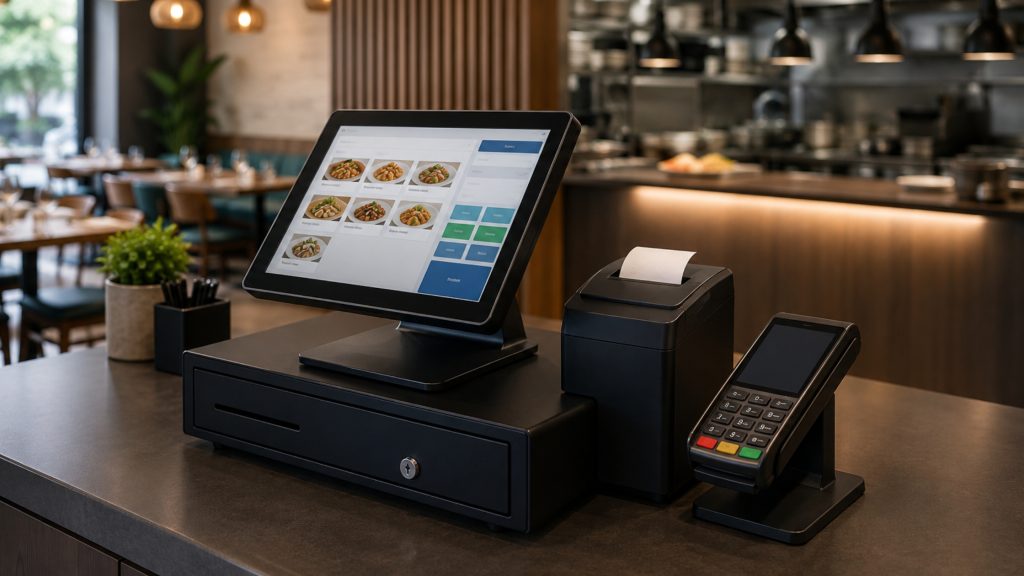
What Makes the Best POS System for Restaurants?
The best POS system for restaurants must streamline operations from front-of-house to kitchen. It should handle orders, payments, inventory, and reporting without delays.
A modern POS system integrates multiple business functions into one platform. For example, systems like the ORO POS system provide a complete ecosystem for restaurant management. These systems run both offline and cloud-connected, ensuring uninterrupted operations even during internet outages.
Additionally, flexibility plays a major role. Restaurants require systems that adapt to dine-in, takeout, and delivery models. Therefore, scalability becomes essential. Learn more about Best POS System for Restaurants.
Key Features to Look For in a Restaurant POS
Choosing the best POS system for restaurants depends on understanding essential features that support daily operations, growth, and customer service.
1. Offline and Cloud Functionality
A reliable POS must run without internet dependency. Systems like ORO POS operate offline while syncing data to the cloud when needed. Therefore, your business continues without disruption.
2. Online Order Integration
Modern restaurants rely heavily on online orders. A strong POS integrates platforms like delivery apps or built-in ordering systems. As a result, you manage all orders from one dashboard.
3. Inventory and Menu Management
Efficient inventory tracking prevents stock shortages and wastage. POS systems also allow menu customization, pricing updates, and modifier controls. Consequently, you maintain better operational control.
4. Payment Flexibility
Customers expect multiple payment options. A POS should support cash, cards, and digital payments while handling split bills and tips. Therefore, transactions become faster and smoother.
5. Kitchen Display System (KDS)
A KDS replaces traditional printers and improves communication between staff and kitchen teams. As a result, order accuracy increases, delays are reduced, and kitchen workflows become faster and more organized.
6. Employee and Role Management
Managing staff effectively improves productivity. POS systems track attendance, roles, and performance data. Therefore, restaurant owners maintain better workforce control and make smarter scheduling and staffing decisions.
Overall, these features help restaurants improve speed, reduce errors, manage resources better, and deliver a smoother customer experience.
How the Best POS System Improves Restaurant Efficiency
The best POS system for restaurants transforms daily operations into a smooth workflow by connecting orders, payments, inventory, staff tasks, and reporting in one place for faster service and better business control.
- Faster Order Processing: Touchscreen ordering systems allow staff to take orders quickly. Therefore, service speed improves significantly.
- Reduced Errors: Automated order transmission minimizes human mistakes. Consequently, customers receive accurate orders every time.
- Centralized Data Management: All business data stays in one system. Sales, inventory, and reports remain easily accessible.
- Improved Customer Experience: Quick service and accurate billing enhance customer satisfaction. Therefore, repeat visits increase.
Overall, a strong POS system helps restaurants save time, reduce mistakes, improve service quality, and manage operations with greater confidence across every busy shift.
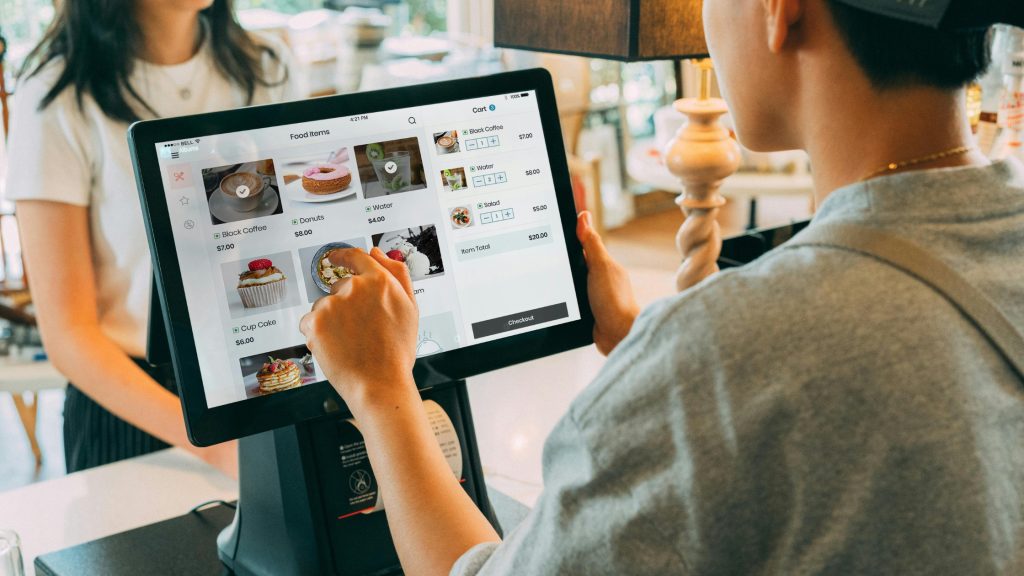
Benefits of Using the Best POS System for Restaurants
Implementing the best POS system for restaurants provides measurable benefits.
- Built-in ordering reduces third-party commissions and improves profit margins.
- Standard device compatibility lowers setup and hardware investment costs.
- Detailed reports track sales, inventory, and employee performance clearly.
- Scalable POS systems adapt as locations and services expand.
Together, these benefits help restaurants reduce costs, improve control, increase efficiency, and create a stronger foundation for long-term business growth.
Who Should Use a Restaurant POS System?
The best POS system for restaurants suits various business types.
- Quick-service restaurants.
- Fine dining establishments.
- Cafes and coffee shops.
- Pizzerias and takeout businesses.
- Multi-location restaurant chains.
Each type benefits from streamlined operations and improved efficiency.
What to Expect During Implementation
Understanding the setup process helps restaurant owners prepare effectively and avoid delays, confusion, or operational mistakes during implementation.
- System Setup: Install the POS on your devices. Many systems require minimal hardware and setup time.
- Menu Configuration: Upload menu items, prices, and modifiers. This step ensures accurate order processing.
- Staff Training: Train employees to use the system efficiently. Therefore, adoption becomes smooth.
- Testing and Optimization: Test workflows and adjust settings for better performance and smoother daily operations.
Overall, proper setup helps restaurants launch smoothly, reduce confusion, train staff faster, and use the POS system with confidence.
How to Choose the Best POS System for Restaurants
Selecting the right POS requires careful evaluation of features, costs, integrations, usability, support, and future business needs.
- Identify whether you need dine-in, delivery, or hybrid solutions.
- Ensure the POS integrates with online ordering and third-party platforms.
- Look beyond price. Focus on features, scalability, and long-term benefits.
- A simple interface reduces training time and improves efficiency.
Overall, careful evaluation helps restaurant owners choose a POS system that fits their daily needs, supports growth, and improves long-term performance.
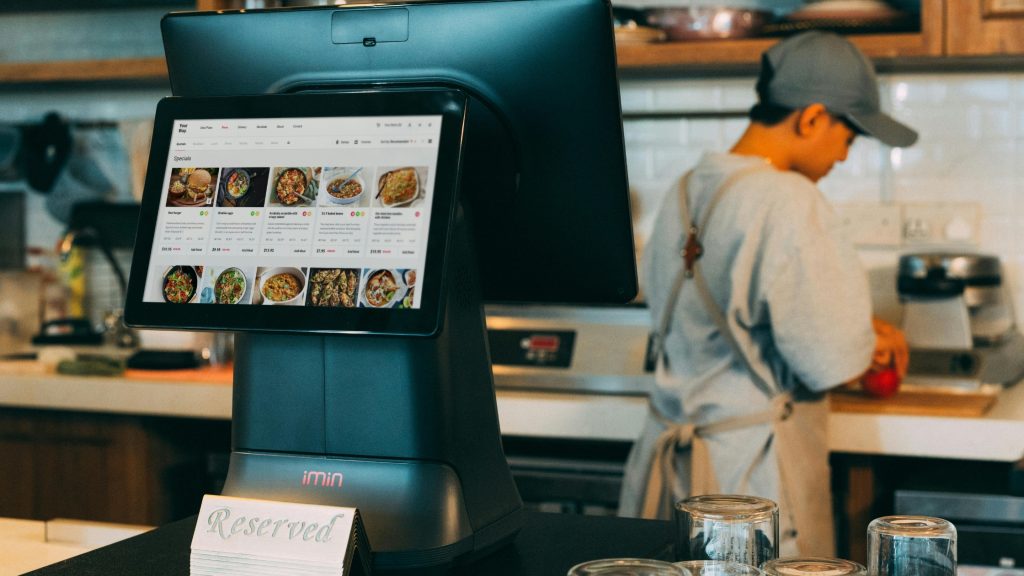
Why Modern Restaurants Prefer Advanced POS Systems
Restaurants prefer advanced POS systems because they combine flexibility, control, and performance.
Modern solutions offer real-time insights, automation, and seamless integration. Therefore, restaurant owners gain complete operational visibility.
Additionally, systems that run both offline and online ensure reliability. Consequently, businesses avoid downtime, protect revenue, serve customers faster, manage peak hours better, and maintain smoother operations.
Conclusion
Choosing the best POS system for restaurants is a strategic decision that directly impacts efficiency, customer experience, and profitability. A well-designed POS simplifies operations, improves accuracy, and supports long-term growth. By selecting a system with advanced features, flexibility, and scalability, restaurant owners can build a strong operational foundation. For a powerful and reliable solution, Orocube POS provides advanced tools designed to help restaurants operate smarter, faster, and more efficiently.