 +1 (800) 844-6603
 Follow Us






Square and Toast are the two names that come up in almost every restaurant POS shortlist. They are both competent systems, and either will take orders and process payments perfectly well. The differences that actually matter show up later — in what happens when your card processor rates change, when the internet drops during a Friday dinner rush, or when you decide you want to switch.
This comparison focuses on those structural differences rather than the feature checklists both companies publish. If you want a broader view of the market first, our guide to the best POS system for restaurants covers the wider field.
The short version
| Square for Restaurants | Toast | |
|---|---|---|
| Best suited to | Cafes, quick service, small full-service | Mid-size and larger full-service restaurants |
| Software entry point | Free tier available | Free "Starter" tier available |
| Hardware | Works with Square hardware; some third-party support | Proprietary Toast hardware only |
| Payment processing | Locked to Square | Locked to Toast |
| Contract | Month to month | Typically multi-year on subsidised hardware |
| Offline card payments | Yes, with limits | Yes, with limits |
| If you leave | Hardware is reusable elsewhere; data exports | Hardware is largely unusable elsewhere |
Pricing: the number you see is not the number you pay
As of writing in 2026, Square for Restaurants runs a free tier, with paid plans around $49 per location per month and a premium tier near $149. In-person processing sits in the region of 2.6% + 15¢ on the free plan, improving slightly on paid plans. Toast offers a $0 Starter tier with a higher processing rate, with paid software plans starting around $69 per terminal per month and processing near 2.49% + 15¢ on paid plans.
Treat all of those figures as a starting point and verify them directly with each vendor before you sign anything. Published POS pricing changes frequently, both companies quote custom rates above certain volumes, and third-party sources disagree on the exact tiers.
The more useful observation is structural. On both platforms the software fee is the small number. Processing is the large one. A restaurant taking $50,000 a month in card payments pays somewhere around $1,250 in processing fees at 2.5%. The difference between a $0 plan and a $69 plan is noise next to that, which is precisely why both companies can afford to give the software away.
The question to ask is not "what does the software cost?" but "what is the total of software plus processing on my actual monthly volume, and can I change processor later?"
Hardware: the difference that bites later
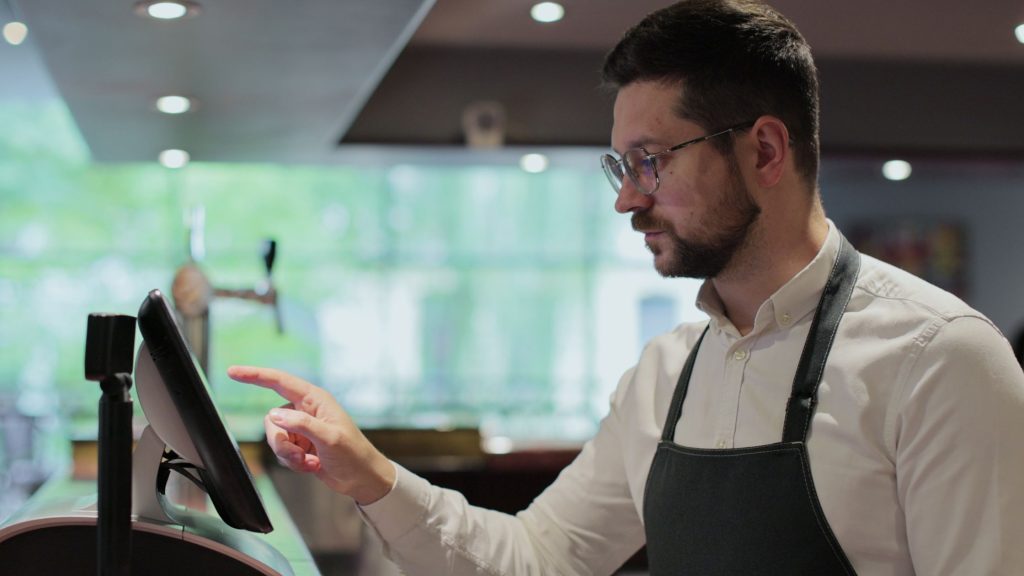
Toast sells its own hardware and the software runs on that hardware. The terminals are well built and restaurant-appropriate — spill resistant, sensibly mounted. The catch is that a Toast terminal is a Toast terminal. If you leave Toast, the hardware goes in a cupboard.
Square is more flexible. Square hardware is generally cheaper, and the software also runs on standard iPads, which means some of your investment survives a change of system. It is not fully open either, but the lock-in is milder.
This matters more than it sounds. Hardware subsidies are how multi-year contracts get sold. A "free" terminal is a loan you repay through processing fees, and it is the main reason restaurants stay on a system they have outgrown. Before you accept subsidised hardware, work out what it costs to exit in year two. Our restaurant POS hardware guide walks through what you actually need to buy versus what gets upsold.
What happens when the internet goes down
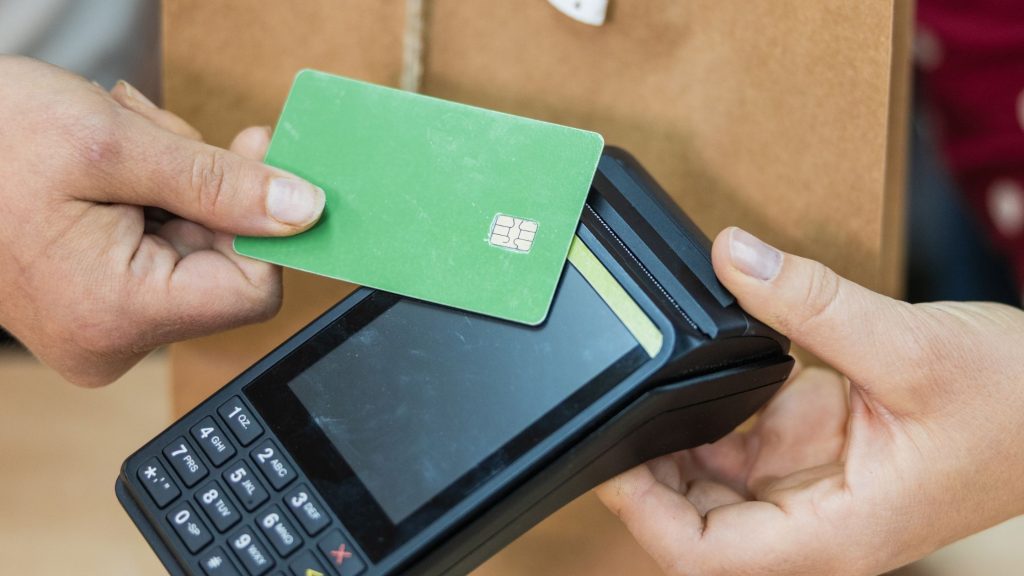
Both systems handle offline card payments, and both do it the same way: the terminal stores the transaction and forwards it when the connection returns. That is standard, and it works — most of the time.
What you need to understand is that offline mode is not free of risk. The card is not authorised at the moment of the sale. If it is declined when the batch finally goes through, you have already served the food. Both Square and Toast cap how much you can take offline and for how long, and both make you accept liability for those transactions.
It is also worth checking what stops working besides payments. On cloud-first systems, an outage can take out reporting, online order ingestion and sometimes menu changes, even when card taking continues. If you are in an area with unreliable connectivity, read our explanation of how offline POS payment processing actually works before you rely on it.
Where each one genuinely wins
Choose Square if
- You are a cafe, bakery, food truck or counter-service operation.
- You want to start at zero cost and scale up without a contract.
- You value being able to walk away without stranded hardware.
- Your menu and workflow are relatively simple.
Choose Toast if
- You run full table service with coursing, seat-level ordering and complex modifiers.
- You have multiple terminals, a busy kitchen and need a tightly integrated KDS.
- You want one vendor accountable for hardware, software and support.
- Your volume is high enough to negotiate the processing rate down.
The option neither comparison mentions
Both Square and Toast tie your point of sale to their payment processing. That is the business model — the software is the hook and the processing is the revenue. For many restaurants that trade is fine, and the convenience is worth it.
It is worth knowing there is a third shape. Systems like Floreant POS are open source and free, with the source code available, and they let you choose your own payment processor rather than inheriting one. Siiopa takes a similar approach for smaller shops. The trade-off is real — you take on more of the setup and support yourself, and you will not get a single phone number to call at 8pm on a Saturday.
But if your processing volume is significant, the ability to shop your merchant account around independently of your POS is worth more than most operators realise. See our guide to free POS software for restaurants for what that path looks like in practice.
How to decide
- Work out your monthly card volume. Multiply by each system’s in-person rate. That is your real annual cost difference — usually far larger than the software fee.
- Ask both vendors, in writing, what the processing rate is after any introductory period.
- Ask what the early termination cost is, and what happens to subsidised hardware.
- Ask how much you can take in card payments while offline, and who carries the loss on a later decline.
- Ask how you export your sales history if you leave, and in what format.
Whichever way you go, the five questions above will tell you more than any feature comparison. A system that scores well on all five is one you can leave, and being able to leave is the only thing that keeps a vendor honest about pricing.