 +1 (800) 844-6603
 Follow Us






The best POS system for retail can make or break daily operations when speed, accuracy, and customer experience matter most. Many businesses struggle with slow billing, inventory mismatches, poor reporting, inefficient workflows, delayed decision-making, and inconsistent service quality. As a result, they lose both time and revenue.
This guide explains how the best point of sale for restaurants, a powerful pos ordering system, and a reliable cloud pos system transform operations. You will learn key features, benefits, comparisons, major advantages, implementation factors, practical use cases, and how to choose the right solution for long-term growth and business efficiency.
What Is a POS System and Why Does It Matter
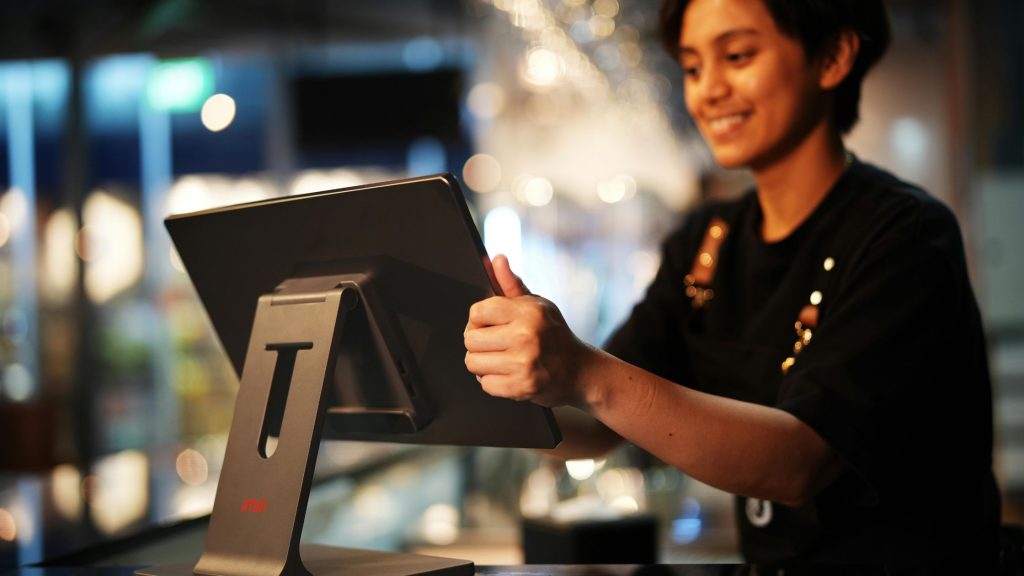
A POS system acts as the central hub of your business operations. It processes transactions, manages inventory, and tracks sales data in real time.
Moreover, modern systems go beyond billing. They integrate analytics, customer insights, and automation tools. Therefore, businesses gain better control over operations and decision-making.
A well-optimized POS system ensures:
- Faster transactions.
- Accurate inventory tracking.
- Improved customer experience.
- Real-time business insights.
Ultimately, a powerful POS system helps businesses operate faster, serve customers better, reduce costly errors, and make smarter decisions that support steady growth and efficiency.
Best POS System for Retail: Key Features to Consider
Choosing the best POS system for retail requires careful evaluation. Every retail business has unique needs, so selecting the right features becomes essential.
1. Inventory Management
Retail businesses handle large inventories daily. Therefore, the system must track stock levels, alerts, product variations, supplier updates, reorder needs, seasonal demand shifts, warehouse movement, and product availability efficiently.
2. Multi-Store Management
Many retailers operate across multiple locations. A centralized system helps manage all stores, monitor performance, maintain pricing accuracy, track inventory flow, and ensure consistency from one dashboard.
3. Barcode & Billing Integration
Fast billing reduces queues and improves customer satisfaction. Barcode scanning ensures speed, accuracy, smooth checkout experiences, fewer manual pricing errors, faster product identification, and better transaction efficiency during peak hours.
4. Sales Analytics
Data-driven insights help identify top-selling products and slow-moving inventory. Consequently, businesses can optimize stock, pricing strategies, promotions, future purchasing decisions, and seasonal planning more effectively.
5. Customer Management
Customer profiles allow personalized promotions and loyalty programs. This approach increases repeat purchases, improves engagement, and strengthens long-term relationships with shoppers.
Ultimately, the best POS system for retail combines control, speed, and insight, helping businesses improve operations, serve customers better, and support consistent long-term growth. Learn more about Best POS System for Retail.
Best Point of Sale for Restaurants: What Makes It Different
The best point of sale for restaurants focuses on speed, accuracy, and order management. Unlike retail, restaurants require specialized features, real-time coordination, faster service flow, and seamless communication between front and back staff.
- Table Management: Efficient table tracking improves service flow. Staff can monitor occupied and available tables instantly.
- Kitchen Display System (KDS): Orders go directly to the kitchen in real time. This process reduces errors and speeds up food preparation.
- Order Customization: Customers often request modifications. A flexible system handles custom orders without confusion.
- Split Billing: Group dining requires bill splitting. Therefore, a POS system must support easy bill division.
- Online & Delivery Integration: Restaurants depend on online orders. Integration with delivery platforms ensures seamless operations.
Overall, the best point of sale for restaurants improves service speed, reduces order mistakes, and creates a smoother dining experience for both staff and customers, while also supporting better coordination, faster service, and stronger operational efficiency. Learn more about Best Point of Sale for Restaurants Boosts Revenue.
POS Ordering System: Streamlining Business Operations
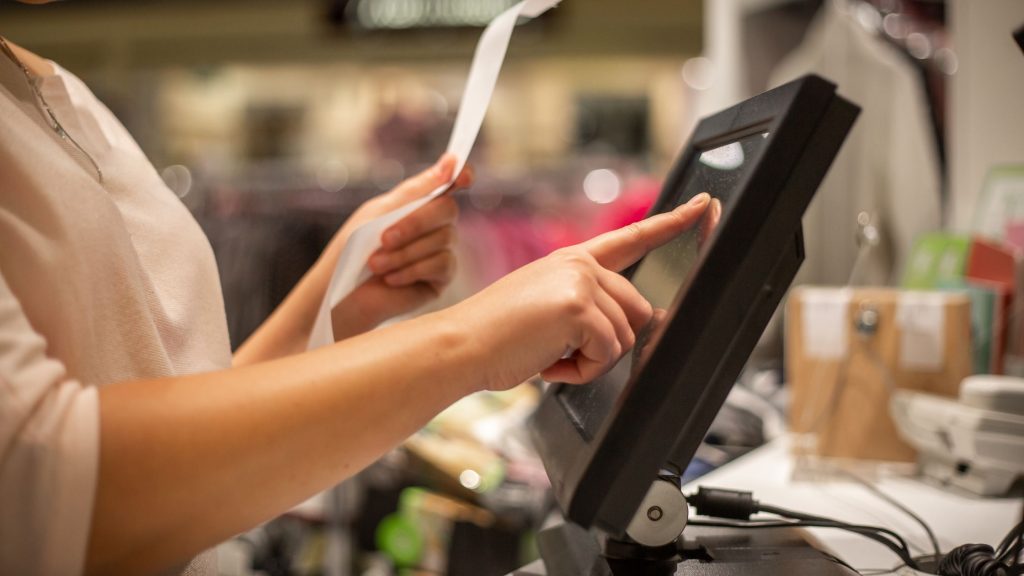
A pos ordering system simplifies order management from start to finish. It ensures accuracy, speed, and efficiency.
A. How It Works
- Customers place orders through counters, kiosks, or online platforms.
- Orders sync instantly with the system.
- Staff process and fulfill orders without delays.
B. Benefits
- Reduces manual errors.
- Improves order accuracy.
- Enhances customer satisfaction.
- Speeds up service time.
Moreover, automation allows staff to focus on customer interaction instead of manual tasks. Learn more about POS Ordering System.
Cloud POS System: The Future of Business Management
A cloud pos system stores data on remote servers instead of local devices. This technology provides flexibility, scalability, easier access, stronger security, and better operational control. Key Advantages:
1. Remote Access
Business owners can monitor operations from anywhere. This feature is crucial for multi-location businesses, traveling managers, and teams that need constant visibility into daily performance, sales activity, and store operations.
2. Real-Time Data
Sales, inventory, and reports update instantly. Therefore, decisions become faster and more accurate, helping businesses respond quickly to trends, shortages, customer demand, and changing market conditions.
3. Automatic Updates
The system stays updated without manual intervention. This ensures security and performance improvements, while also reducing technical issues, downtime, and maintenance-related workload.
4. Data Security
Cloud storage protects data through backups and encryption. As a result, businesses avoid data loss risks, improve reliability, and maintain secure access to sensitive information across devices and locations.
5. Scalability
Businesses can expand without changing systems. The cloud adapts as operations grow, making it easier to add locations, users, features, services, and new business requirements smoothly.
In conclusion, a cloud pos system gives businesses greater flexibility, stronger security, real-time control, and scalable support for smoother operations and long-term growth. Learn more about Cloud POS System.
Retail vs Restaurant POS: Key Differences
Retail and restaurant POS systems serve different operational needs. Therefore, understanding their core differences helps businesses choose the right solution for efficiency and growth.
a. Retail POS
- Focuses on inventory and product management.
- Handles high-volume transactions.
- Uses barcode scanning and stock tracking.
b. Restaurant POS
- Focuses on order management and table service.
- Handles real-time kitchen communication.
- Supports order customization and delivery.
Although both systems share core features, their functionality differs significantly. Therefore, choosing the right system depends on your business type.
Essential Features of the Best POS System
To find the best POS system for retail, businesses must evaluate core capabilities, long-term scalability, ease of use, and daily operational efficiency.
- User-Friendly Interface: A simple interface reduces training time and improves efficiency.
- Payment Flexibility: The system must support multiple payment methods, including digital wallets and cards.
- Reporting & Analytics: Detailed reports help track performance and improve decision-making.
- Integration Capabilities: The POS should integrate with accounting, CRM, and marketing tools.
- Mobile Compatibility: Mobile POS allows transactions on the go. This feature is useful for both retail and restaurants.
Ultimately, evaluating these essential features helps businesses choose a POS system that improves efficiency, supports growth, and delivers a smoother experience for staff and customers.
How a POS System Improves Business Efficiency
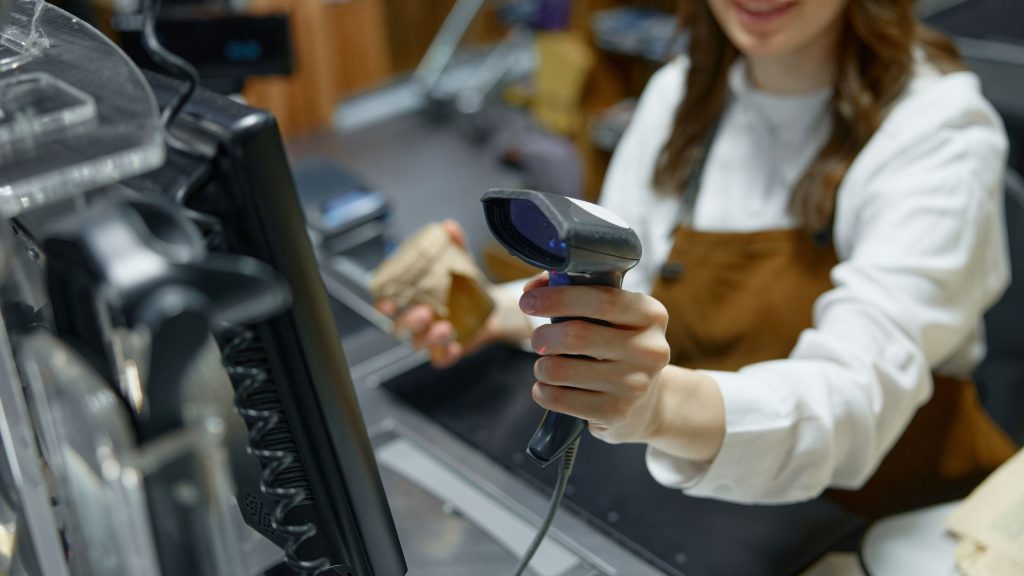
A modern POS system transforms operations through automation and insights, improving speed, accuracy, efficiency, customer service, and overall business performance.
A. Faster Transactions
Automation reduces checkout time. Consequently, businesses serve more customers, shorten waiting lines, improve billing efficiency, reduce pressure on staff, and maintain smoother operations during busy hours.
B. Improved Accuracy
Digital systems eliminate manual errors in billing and inventory. As a result, businesses maintain accurate records, reduce stock mismatches, prevent pricing mistakes, and improve overall operational reliability and consistency.
C. Better Customer Experience
Quick service and personalized offers increase customer satisfaction. In addition, businesses build stronger customer trust, encourage repeat visits, improve loyalty, and create a more convenient shopping experience.
D. Data-Driven Decisions
Analytics provide insights into sales trends and customer behavior. Therefore, businesses can plan smarter strategies, forecast demand accurately, improve promotions, and respond quickly to changing market needs.
Overall, a modern POS system boosts efficiency, strengthens accuracy, enhances customer satisfaction, and helps businesses make smarter decisions for steady and scalable growth.
Choosing the Right POS System for Your Business
Choosing the right POS system requires careful planning, because the best solution should match your business model, budget, growth plans, daily operational needs, and future expansion goals.
- Identify Business Needs: Retail and restaurants need different POS features.
- Evaluate Budget: Choose a system that offers value without exceeding your budget.
- Check Scalability: Ensure the system grows with your business.
- Test Usability: A user-friendly system improves adoption among staff.
- Review Support & Training: Reliable customer support ensures smooth operations.
Overall, the right POS system supports smoother operations, improves staff efficiency, strengthens customer service, increases accuracy, and gives your business a stronger foundation for long-term success.
Common Mistakes to Avoid
Many businesses make avoidable mistakes when choosing a POS system. Therefore, understanding these common issues helps prevent wasted investment, operational delays, poor performance, and long-term inefficiencies.
- A low-cost system may lack essential features.
- Businesses often outgrow basic systems quickly.
- Disconnected systems create inefficiencies.
- Untrained staff reduces system effectiveness.
Avoiding these mistakes helps businesses choose a more reliable POS system, improve daily efficiency, reduce future problems, and support smoother growth with better long-term results.
Future Trends in POS Systems
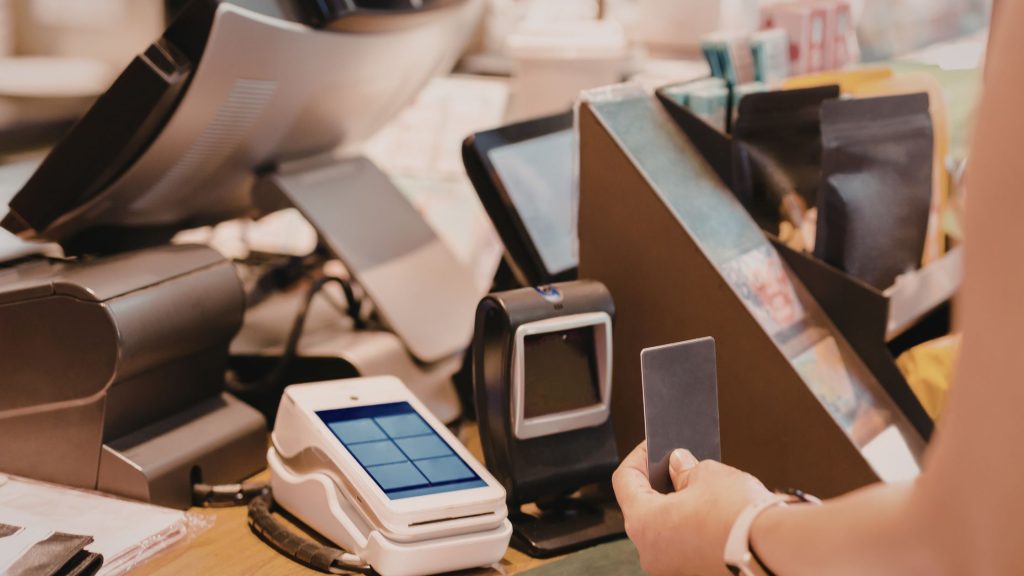
Future POS systems continue to evolve with smarter and faster technology. AI and automation help predict sales and optimize inventory more accurately.
In addition, contactless payments support faster and more secure transactions. Omnichannel integration connects online and offline sales channels seamlessly, while advanced analytics provide deeper business insights for better decision-making, improved forecasting, personalized customer engagement, stronger operational control, reduced inefficiencies, and more adaptable strategies for changing business demands.
Conclusion
The best POS system for retail and the best point of sale for restaurants play a critical role in modern business success. Whether you need a powerful pos ordering system or a scalable cloud pos system, the right choice improves efficiency, accuracy, and customer experience.Investing in the right POS solution ensures long-term growth and operational excellence. For businesses seeking advanced, reliable, and scalable POS solutions, Orocube POS provides powerful tools designed to streamline operations and support business success.