 +1 (800) 844-6603
 Follow Us






Retail businesses often struggle with inventory errors, slow billing, and poor sales tracking. Therefore, choosing the right point of sale systems for retail becomes essential for growth and efficiency. A modern POS system does more than process payments. It connects sales, inventory, and customer data into one streamlined platform. In this guide, you will learn how point of sale systems for retail work, key features to consider, benefits, and how to select the right solution for long-term success.
Additionally, the right POS helps retailers reduce manual work, manage stock faster, serve customers better, and make smarter decisions using real-time business insights.
What Are Point of Sale Systems for Retail?
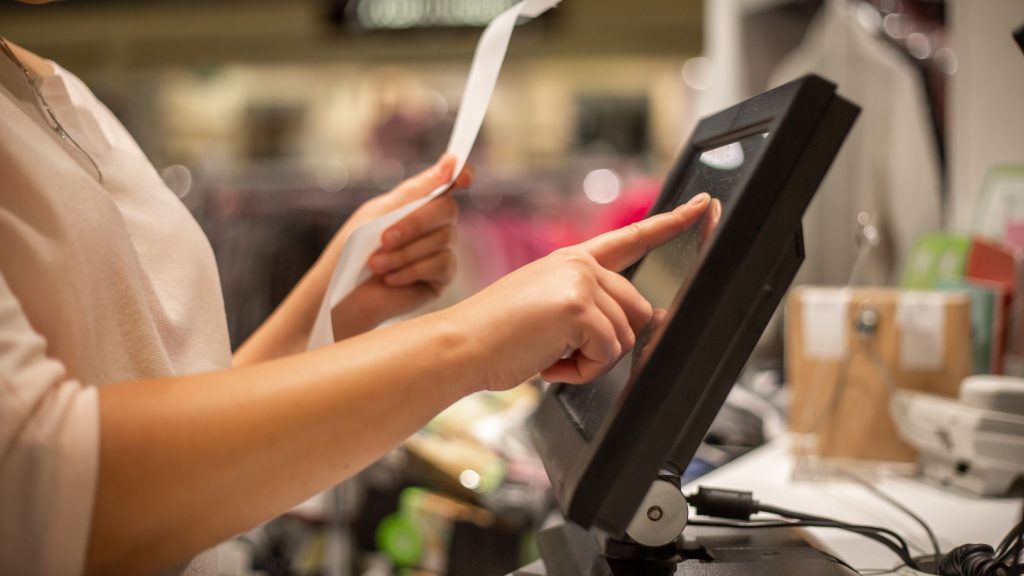
Point of sale systems for retail are integrated platforms that handle transactions, inventory, and reporting. They replace traditional cash registers with advanced digital solutions. These systems allow retailers to manage sales, track stock, and monitor performance in real time.
Modern systems, such as those offered by Orocube, combine cloud technology with offline capabilities. As a result, businesses continue operating even during internet disruptions. Furthermore, they centralize all operations, which improves efficiency and decision-making.
Key Features of Point of Sale Systems for Retail
Choosing the right system requires understanding essential features that directly impact daily operations, customer service, inventory control, reporting, staff productivity, and long-term retail business growth.
1. Cloud-Based POS System
A cloud-based POS system stores data securely online. Therefore, retailers can access sales reports and inventory from any location. Additionally, cloud systems ensure automatic updates and backups.
2. Retail Inventory Management System
A retail inventory management system tracks stock levels in real time. Consequently, it prevents overstocking and stockouts. This feature also helps retailers plan purchases, reduce losses, and maintain smoother daily operations.
3. Multi-Store POS Solution
A multi-store POS solution allows businesses to manage multiple outlets from one dashboard. Therefore, owners gain centralized control over pricing, stock, and sales across all locations with greater operational visibility.
4. Retail Billing Software
Retail billing software speeds up transactions and reduces checkout time. As a result, customer satisfaction improves, especially during peak hours, while staff handle more customers with fewer billing errors and smoother payment processing.
5. Customer Management System
A built-in customer system tracks purchase history and preferences. Consequently, retailers can create targeted promotions, improve customer retention, personalize offers, and build stronger long-term customer relationships.
Overall, these features help retailers improve speed, reduce errors, manage inventory better, and create a smoother shopping experience for every customer.
How Point of Sale Systems for Retail Improve Efficiency
The right POS system transforms daily retail operations into a smooth workflow. It connects multiple processes into one platform for better performance.
- Faster Checkout: Modern systems process transactions quickly. Therefore, queues become shorter, and service improves.
- Accurate Inventory Tracking: Automated updates reduce manual errors. Consequently, businesses maintain accurate stock records.
- Centralized Data: All data remains in one system. As a result, retailers make informed decisions based on real-time insights.
- Better Customer Experience: Quick billing and personalized service improve satisfaction. Therefore, repeat purchases increase.
Overall, a strong POS system helps retailers save time, reduce mistakes, improve service quality, and manage store operations with greater confidence. Learn more about Best POS System.
Benefits of Using Point of Sale Systems for Retail
Implementing point of sale systems for retail provides measurable advantages for businesses of all sizes.
- Improved Accuracy: Automation reduces errors in billing and stock management.
- Cost Efficiency: Businesses save money by reducing manual processes and wastage.
- Scalability: Systems grow with your business and support expansion easily.
- Enhanced Reporting: Detailed analytics help track performance and identify trends.
Additionally, these systems improve overall operational control. Therefore, retailers gain confidence in managing daily activities.
Who Should Use Point of Sale Systems for Retail?
These systems suit a wide range of retail businesses that need faster billing, better inventory control, smoother daily operations, stronger reporting, improved customer service, and scalable business growth.
- Small retail stores manage daily sales and inventory.
- Supermarkets and grocery shops handle high-volume customer transactions.
- Fashion and apparel outlets tracking sizes, styles, and stock.
- Electronics retailers manage products, warranties, and billing.
- Multi-location retail chains control all branches centrally.
Each business benefits from improved efficiency, better management tools, stronger sales tracking, smoother workflows, and more accurate inventory control.
What to Expect During Implementation
Understanding the setup process helps retailers prepare effectively, avoid delays, organize product data, train staff smoothly, reduce confusion, and launch daily operations with confidence.
- System Installation: Most POS systems require minimal hardware. Therefore, setup becomes quick and simple.
- Product and Inventory Setup: Retailers upload product details and stock information. Consequently, the system becomes ready for use.
- Staff Training: Employees learn how to operate the system efficiently. Therefore, adoption becomes smooth.
- Testing and Optimization: Businesses test workflows and adjust settings. As a result, operations run without interruptions.
Overall, proper implementation helps retailers launch smoothly, reduce confusion, train staff faster, and manage daily operations with confidence.
How to Choose the Best Point of Sale Systems for Retail
Selecting the right system requires careful evaluation of features and business needs.
- Identify whether your business requires single-store or multi-store management.
- Ensure the system integrates with accounting and online platforms.
- Focus on usability and ease of training.
- Consider long-term scalability instead of short-term cost.
A simple and reliable system improves efficiency and reduces operational challenges.
Why Modern Retailers Prefer Advanced POS Systems
Retailers prefer advanced systems because they offer flexibility, automation, and control. Modern POS solutions provide real-time insights into sales, inventory, staff performance, customer behavior, product demand, and daily business trends.
Additionally, systems with offline functionality ensure continuous operations. Consequently, businesses avoid downtime and revenue loss. These systems also support data-driven decisions, which improve long-term growth, strengthen customer service, simplify staff management, improve stock planning, and help retailers respond faster to changing business needs.
Conclusion
Choosing the right point of sale systems for retail directly impacts business efficiency, customer satisfaction, and profitability. A well-designed POS system simplifies operations, improves accuracy, and supports business expansion. By selecting a system with advanced features, scalability, and reliability, retailers can build a strong operational foundation.
For a powerful and reliable solution, Orocube POS provides advanced tools designed to help retail businesses operate smarter, faster, and more efficiently.