 +1 (800) 844-6603
 Follow Us






Retail businesses often face challenges such as slow billing, stock mismatches, and disconnected tools. These issues can cause delays, customer frustration, and poor decisions. The best POS system for retail solves these problems by combining billing, inventory management, and analytics in one streamlined platform.
With the right system, retailers can improve accuracy, speed up checkout, and manage operations more effectively. This guide explains what makes a POS system truly effective, how it supports smoother retail performance, and why many modern businesses now depend on advanced solutions like Orocube POS to stay organized, competitive, and ready for long-term growth.
What Defines the Best POS System for Retail?
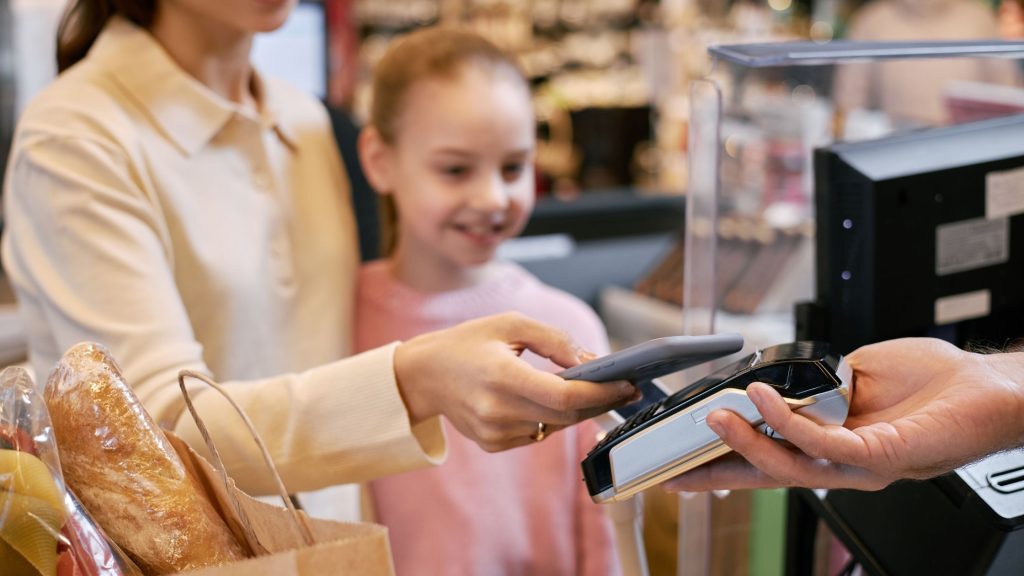
A retail POS system does more than process transactions. It connects your entire business. Therefore, choosing the right system directly impacts efficiency and profitability. Modern POS platforms integrate sales, inventory, customer data, and reporting. As a result, retailers gain real-time visibility and control.
Key Characteristics of a High-Performing POS
- Fast and accurate billing.
- Real-time inventory tracking.
- Multi-store management.
- Detailed sales analytics.
- Seamless integrations.
Furthermore, cloud-based systems ensure accessibility from anywhere. This flexibility supports business growth without operational delays.
Why Retail Businesses Need a Smart POS Solution
Retail operations involve constant movement—products, customers, and transactions. Without a centralized system, errors increase and efficiency drops.
However, a smart POS system simplifies everything. Operational Benefits:
- Error Reduction: Reduces manual errors significantly.
- Faster Checkout: Speeds up checkout processes.
- Better Inventory Control: Improves stock management accuracy.
- Customer Satisfaction: Enhances customer experience.
In addition, automated reporting helps business owners make data-driven decisions. Consequently, retailers can identify trends and optimize performance.
Core Features to Look For in a Retail POS
Selecting the right system requires careful evaluation. Therefore, focus on features that directly impact daily operations.
1. Inventory Management
Accurate inventory prevents stockouts and overstocking. A strong POS system updates stock levels automatically after each sale. Moreover, it provides alerts for low inventory. This ensures timely restocking and avoids lost sales.
2. Billing and Checkout Efficiency
Fast billing improves customer satisfaction. Modern POS systems support barcode scanning, multiple payment methods, and quick invoice generation. As a result, checkout queues reduce significantly.
3. Multi-Store Control
Retail chains require centralized control. A robust POS system allows management of multiple outlets from a single dashboard. Therefore, business owners can monitor performance across locations effortlessly.
4. Reporting and Analytics
Data drives growth. POS systems generate reports on sales, profits, and customer behavior in real time. Consequently, retailers can identify best-selling products and optimize pricing strategies more effectively.
5. Cloud Accessibility
Cloud-based POS systems allow access from any device and any location. This ensures flexibility and real-time updates across the business. In addition, data remains secure and backed up automatically at all times.
Together, these core features create a retail POS system that improves efficiency, accuracy, control, and long-term business growth. Learn more about Best POS System for Retail & Restaurants.
How Orocube POS Stands Out
Orocube POS offers a comprehensive solution designed specifically for retail businesses. It combines essential features with advanced technology to deliver a seamless experience.
Key Advantages
- User-friendly interface for quick adoption.
- Real-time inventory synchronization.
- Advanced analytics for better decision-making.
- Scalable solution for growing businesses.
Furthermore, Orocube focuses on automation and efficiency. As a result, retailers can reduce manual work and focus on growth.
Step-by-Step: Choosing the Right POS System
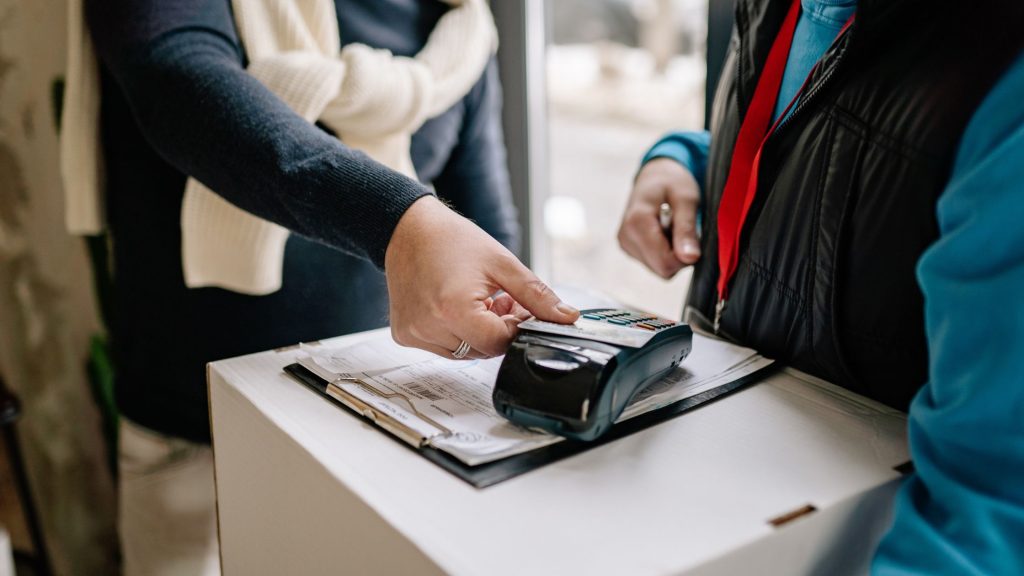
Selecting a POS system requires a structured approach and careful comparison of business needs, available features, long-term scalability, usability, and support. Therefore, follow these steps to make a confident and informed decision for your retail business.
- Identify Business Needs: Understand your requirements. For example, small stores need basic billing, while large retailers require advanced analytics.
- Evaluate Features: Compare systems based on essential features like inventory, reporting, and integrations.
- Check Scalability: Ensure the system can grow with your business. A scalable POS prevents future migration issues.
- Test Usability: A simple interface improves staff efficiency. Therefore, choose a system that requires minimal training.
- Review Support and Security: Reliable customer support and strong data security are crucial. Consequently, businesses avoid downtime and data risks.
By following this structured process, retailers can choose a POS system that supports both current needs and future growth, improves efficiency, reduces errors, and strengthens overall business performance.
Common Mistakes to Avoid
Many retailers make avoidable errors when selecting a POS system, especially when they focus only on short-term needs, limited budgets, or incomplete feature comparisons. Frequent Pitfalls:
- Choosing based on price alone without considering long-term value.
- Ignoring scalability requirements for future retail business expansion.
- Overlooking reporting capabilities that support smarter business decisions.
- Selecting complex systems without proper training and onboarding support.
However, a strategic approach ensures long-term success by improving efficiency, supporting growth, reducing costly mistakes, and creating a smoother retail management experience.
Future Trends in Retail POS Systems
Retail technology continues to evolve rapidly with smarter tools, automation, and customer-focused innovations. Therefore, staying updated provides a strong competitive advantage and helps retailers adapt more effectively.
Emerging Trends:
- Smarter Analytics: AI-driven sales insights that help retailers predict trends, optimize inventory, and improve overall decision-making accuracy.
- Faster Payments: Contactless payment integration that speeds up transactions, reduces queues, and enhances customer checkout convenience significantly.
- On-the-Go Selling: Mobile POS systems that allow staff to manage sales, inventory, and billing from anywhere easily.
- Unified Shopping Experience: Omnichannel retail support that connects online and offline stores for a seamless customer journey experience.
As these trends grow, POS systems become more powerful and efficient, helping retailers improve operations, deliver faster service, enhance customer experiences, and respond quickly to changing market demands.
Conclusion
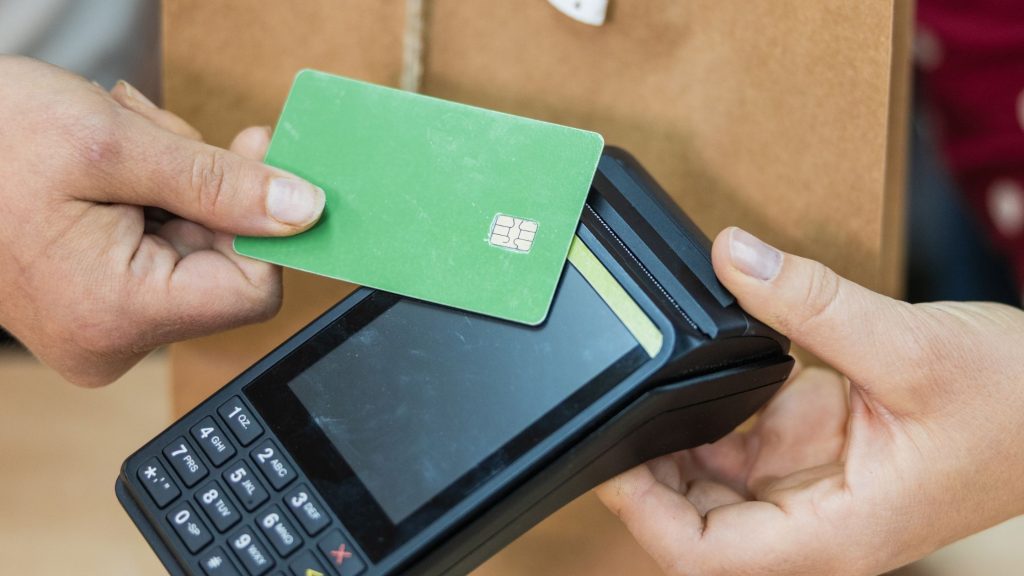
The best POS system for retail transforms how businesses operate. It improves efficiency, enhances customer experience, and supports growth. Therefore, choosing the right system is a strategic decision, not just a technical one.
ORO POS provides a powerful, scalable, and user-friendly solution tailored for modern retail businesses. By adopting the right POS system, retailers can streamline operations, reduce manual errors, improve inventory control, strengthen reporting accuracy, and build a smoother, more reliable retail experience for long-term success.